Japan·MAY 19, 2026·2 min read
Why Living in Japan Changes the Way You Design
Lessons in simplicity, attention to detail, and respect for context.

When I first moved to Japan, I thought design was about making things beautiful. Over time, I realized it’s more about making things make sense — to the right person, in the right moment, with as little friction as possible.
Context is everything
In Japan, context shows up in every detail. From how a train announcement is phrased, to how convenience stores are organized, to how websites are structured.
Good design starts with understanding the situation, not the solution.
The best design disappears. You don’t notice it, but everything works.
The 7:42 express arrives at 7:42. The announcement tells you which side the doors open. The platform markings tell you where your carriage stops. None of this is decoration — all of it is design, and almost none of it calls attention to itself.
Invisible design
The most impressive systems I’ve encountered here are the ones nobody talks about. Ticket gates that read a card through a wallet, in a bag, in motion. Address forms that adapt to how Japanese addresses actually work rather than forcing a Western template onto them.
Invisible design isn’t the absence of decisions. It’s the presence of hundreds of decisions made so well that the user never has to notice them.
The power of restraint
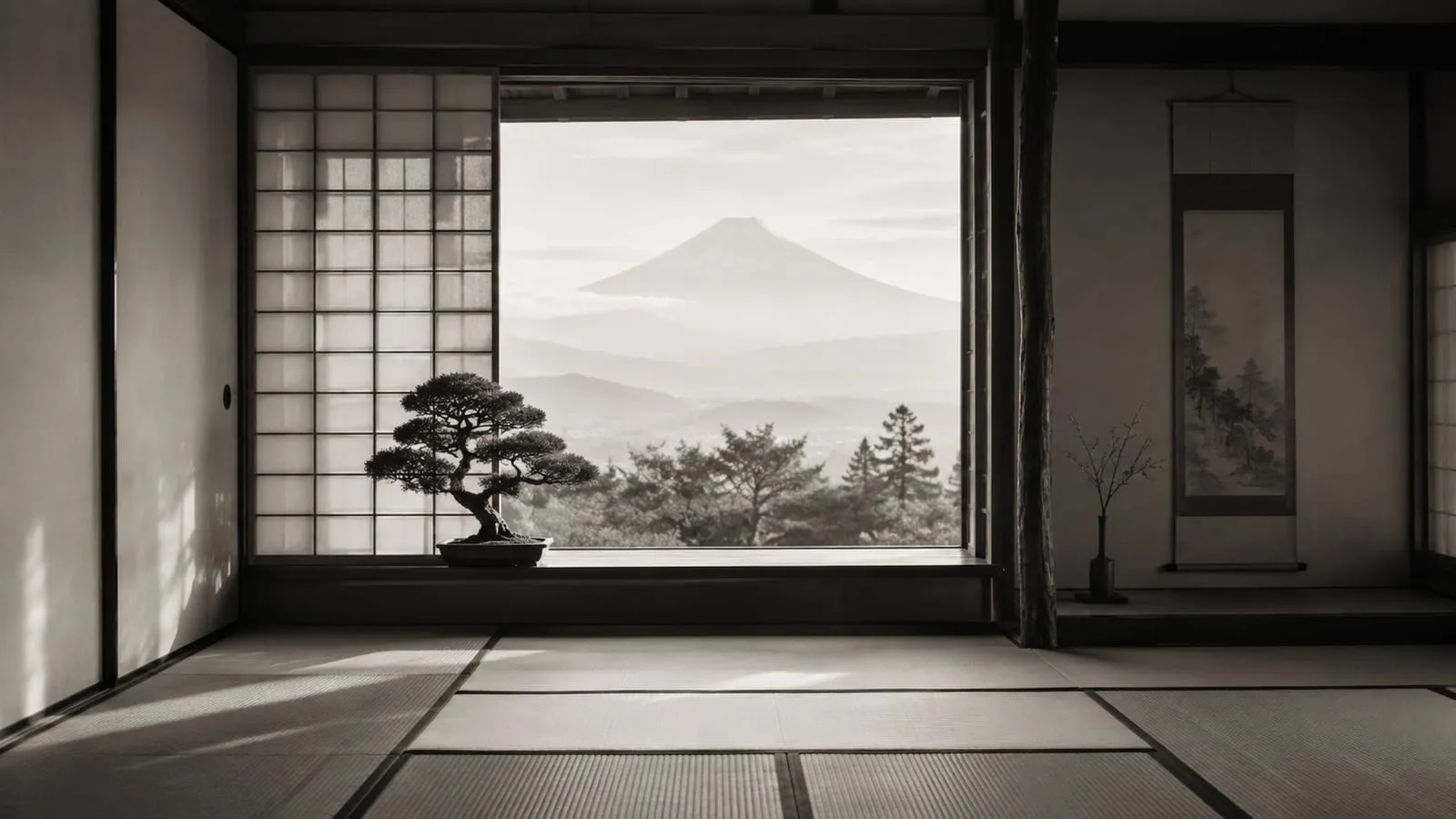
Japanese design culture is often summarized as minimalism, but that’s not quite right. A department store food hall is not minimal. A shrine festival is not minimal.
What’s consistent is restraint — the discipline of including exactly what the moment requires and nothing else. Restraint is a choice made from abundance, not scarcity. You could add more. You decide not to.
What I learned
Living here rewired three assumptions I didn’t know I had:
- Clarity beats cleverness. If the user has to decode it, it failed, no matter how elegant the decoding is.
- The default state matters most. Design for the person in a hurry, in the rain, holding a bag.
- Care is visible. People can feel when details were considered, even if they can’t articulate which details.
Design is not just about aesthetics. It’s about context, behavior, and invisible expectations. Living in Japan reshaped how I think about all three.